Communication
At our school, we use the SchoolFox app for communication. Each child is given their own account, which parents can use to get in touch with teachers and school staff.
We also use SchoolFox to send important announcements and parent letters to families. The app allows users to select the language in which messages are displayed. This ensures that all families have access to important school information.
At the start of the school year, each child receives a personal code. Guardians can use this code to register. We ask all parents to download the SchoolFox app to their device and check the app daily for any messages.
At our school, we use the SchoolFox app for communication.
Digital Learning
Preparing Our Students for an Increasingly Digital World
Digital education at KGS Hermann Gemeiner is holistic, structured, and consistently focused on supporting each individual child. The school combines modern technical equipment with individualized assessment, targeted support, and the systematic development of media literacy.
Digital Equipment in the Classroom
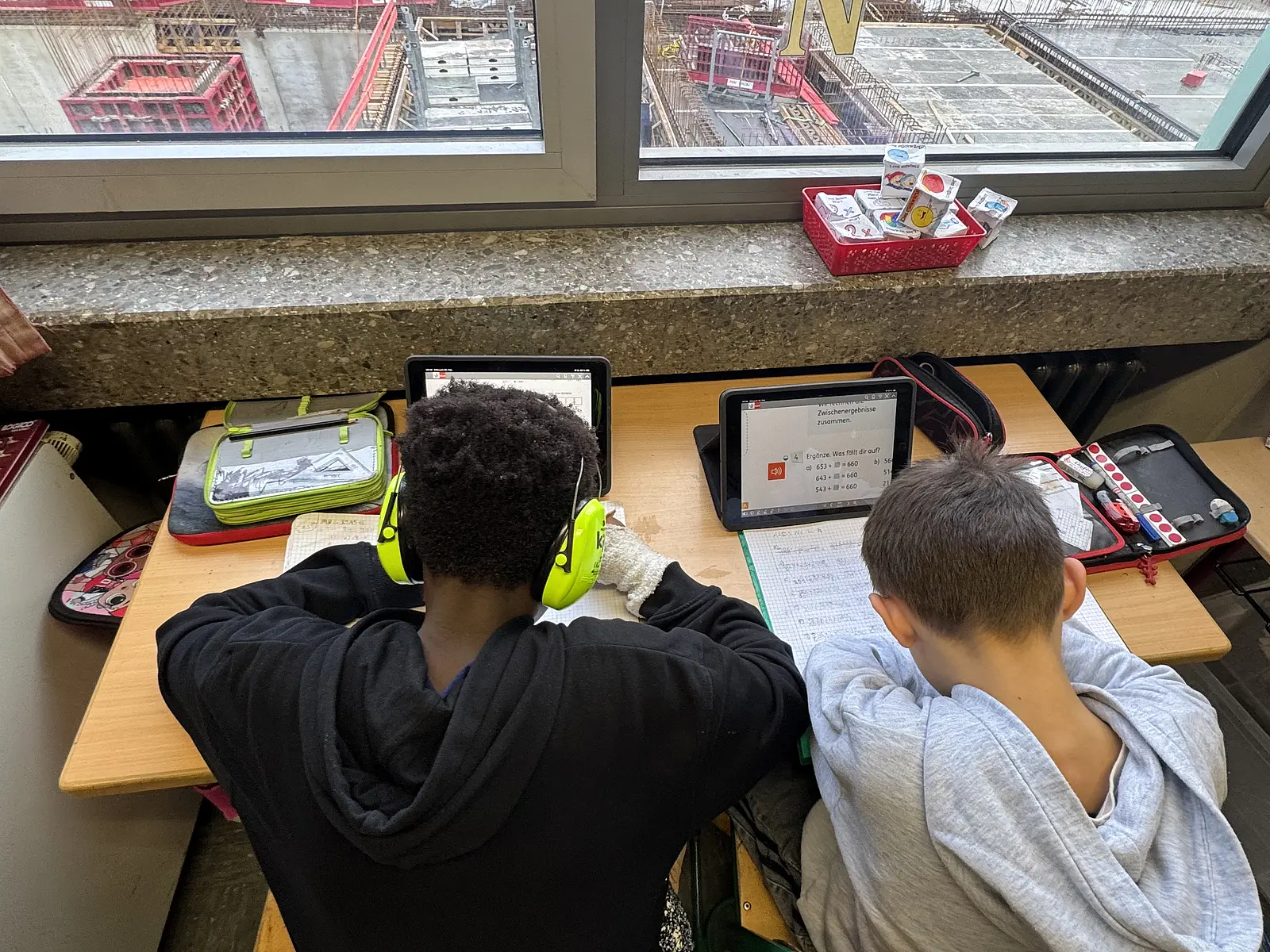
Digital whiteboards are available in all classrooms, making lessons vivid, interactive, and flexible. In addition, every child has their own iPad. This allows learning content to be delivered in a personalized, differentiated manner tailored to each student’s performance level.
Digital Assessment and Individual Support
A digital assessment of each child’s learning and academic performance is conducted regularly. This is carried out using the Lernmax app. Targeted support measures are derived based on the results collected there.
Digital learning resources in various subjects
In addition to diagnostic and support work, other digital learning programs are used, e.g.
- Alphaben specifically supports reading development
- Anton offers exercises in many subjects such as math, German, social studies, and more
- Antolin guides children through reading and fosters reading motivation as well as text comprehension
This combination allows students to learn, practice, and reinforce their skills at their own pace.
Media Literacy in Grades 1–4
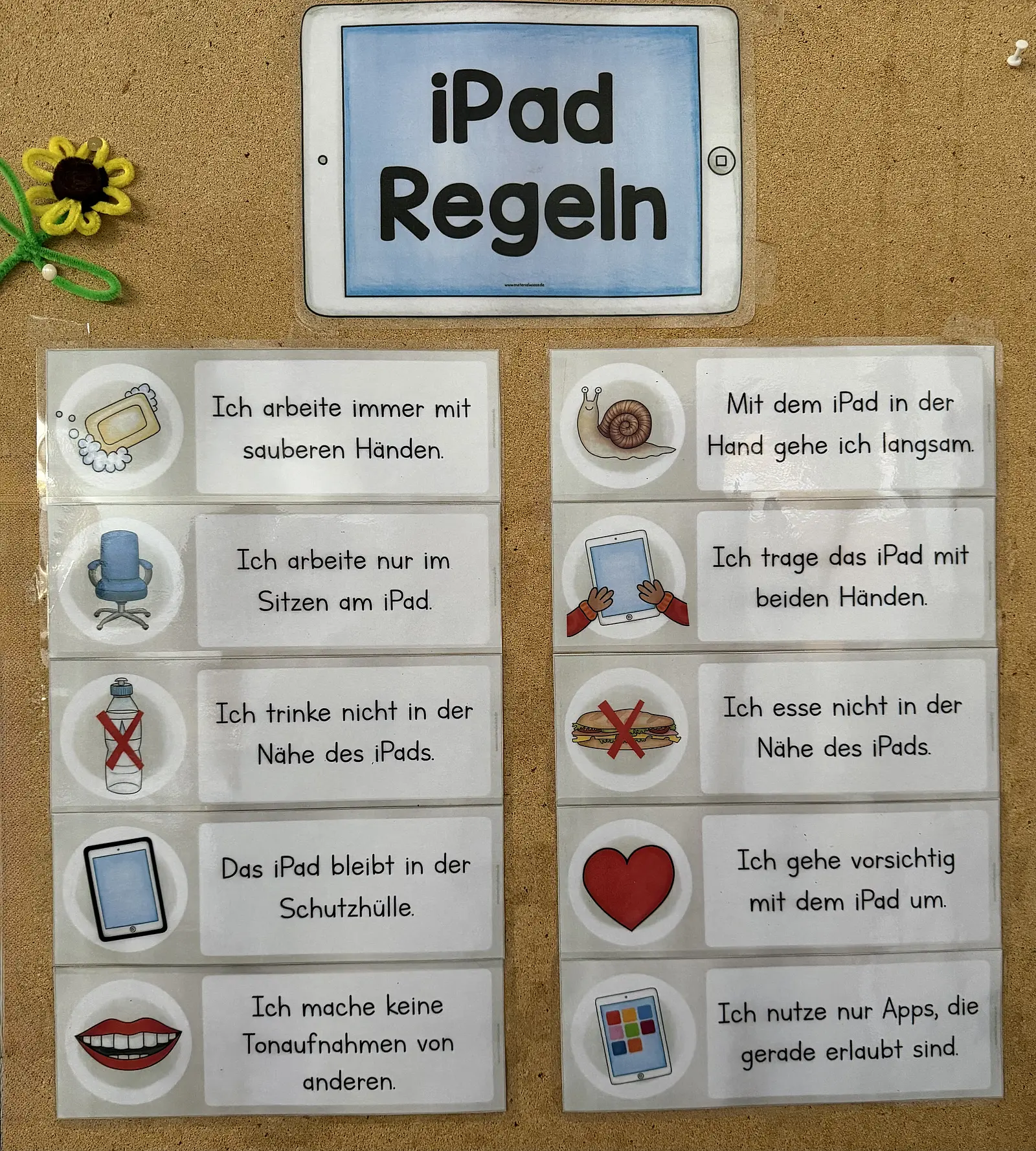
Another key focus is the systematic development of media literacy. From first through fourth grade, children are gradually introduced to the responsible use of digital media in a way that is appropriate for their age. This includes, among other things:
- safe use of iPads and apps
- responsible behavior in the digital space
- basics of information search and evaluation
- creative and productive use of digital tools
In addition, the school regularly offers workshops on media literacy and safe online behavior. Third- and fourth-grade students, in particular, receive targeted training in these areas so that they can recognize risks, protect themselves, and use digital media thoughtfully.
Digital work at our school is not an end in itself, but a purposefully deployed tool for individual support, for increasing motivation to learn, and for preparing children for an increasingly digital world.
The focus is always on the child, their abilities, and their personal development.
Nonviolent Learning
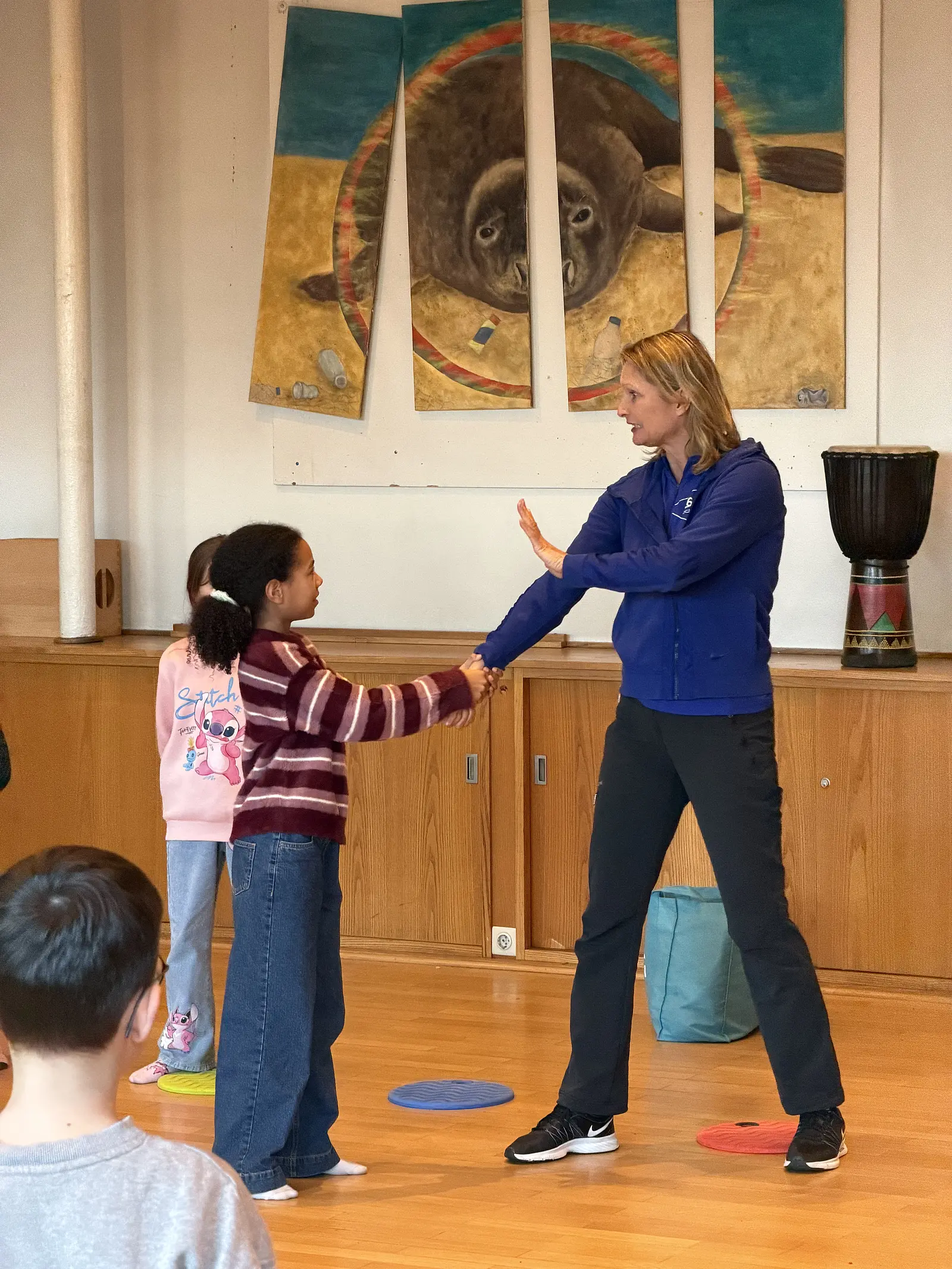
To counteract the negative impact of violence and exclusion on our learning environment, we have decided to implement the “Nonviolent Learning” program.
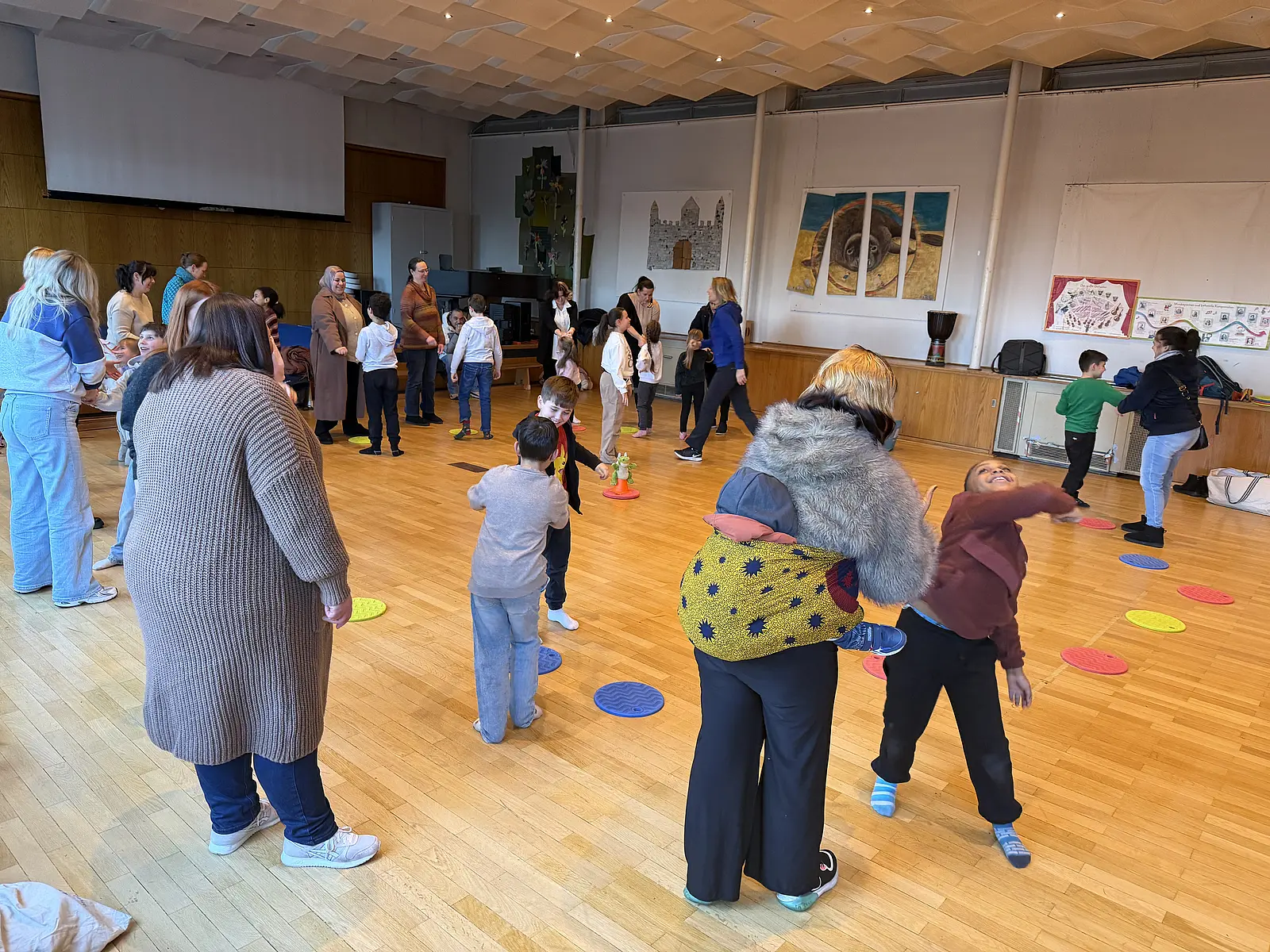
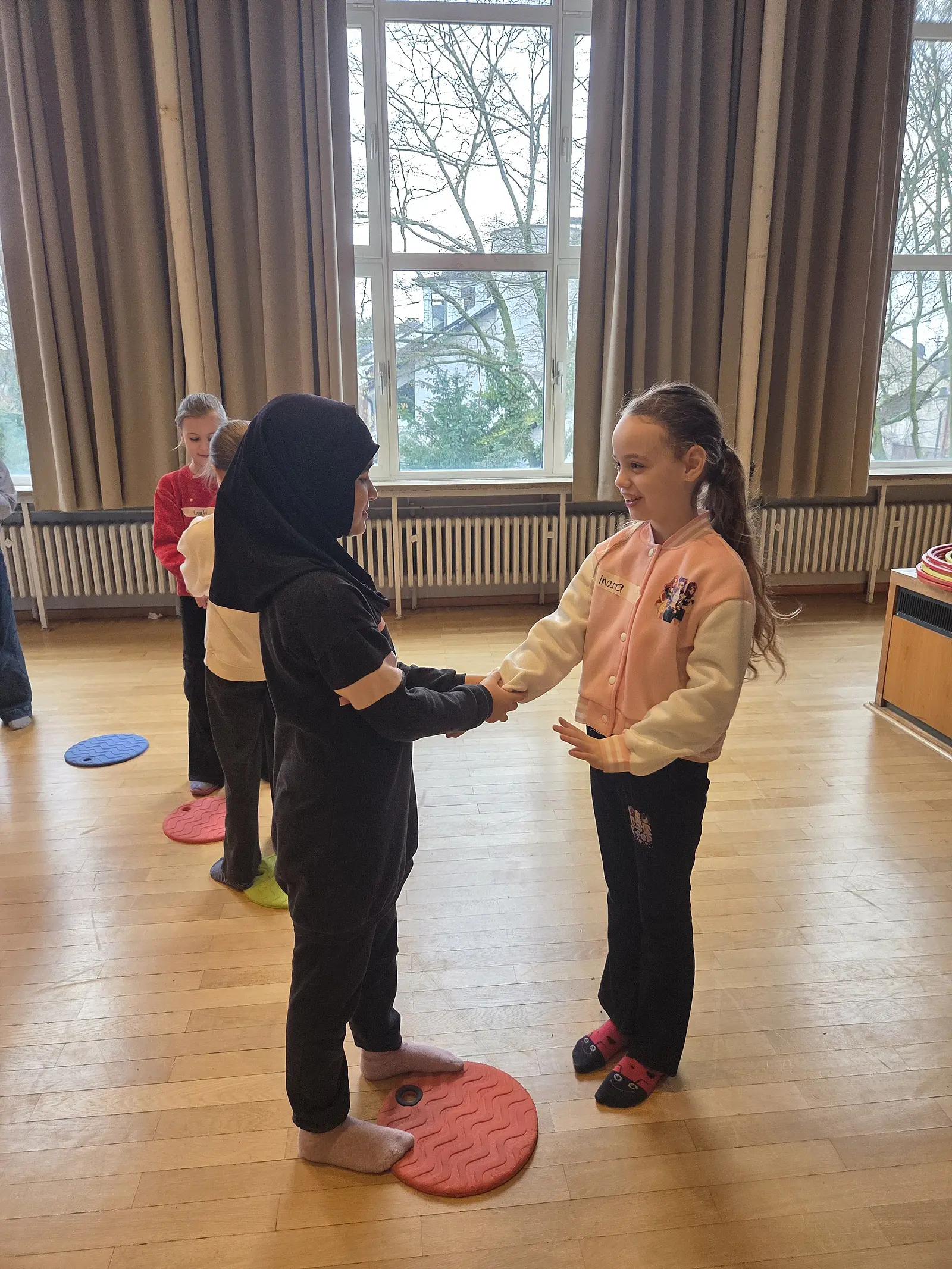
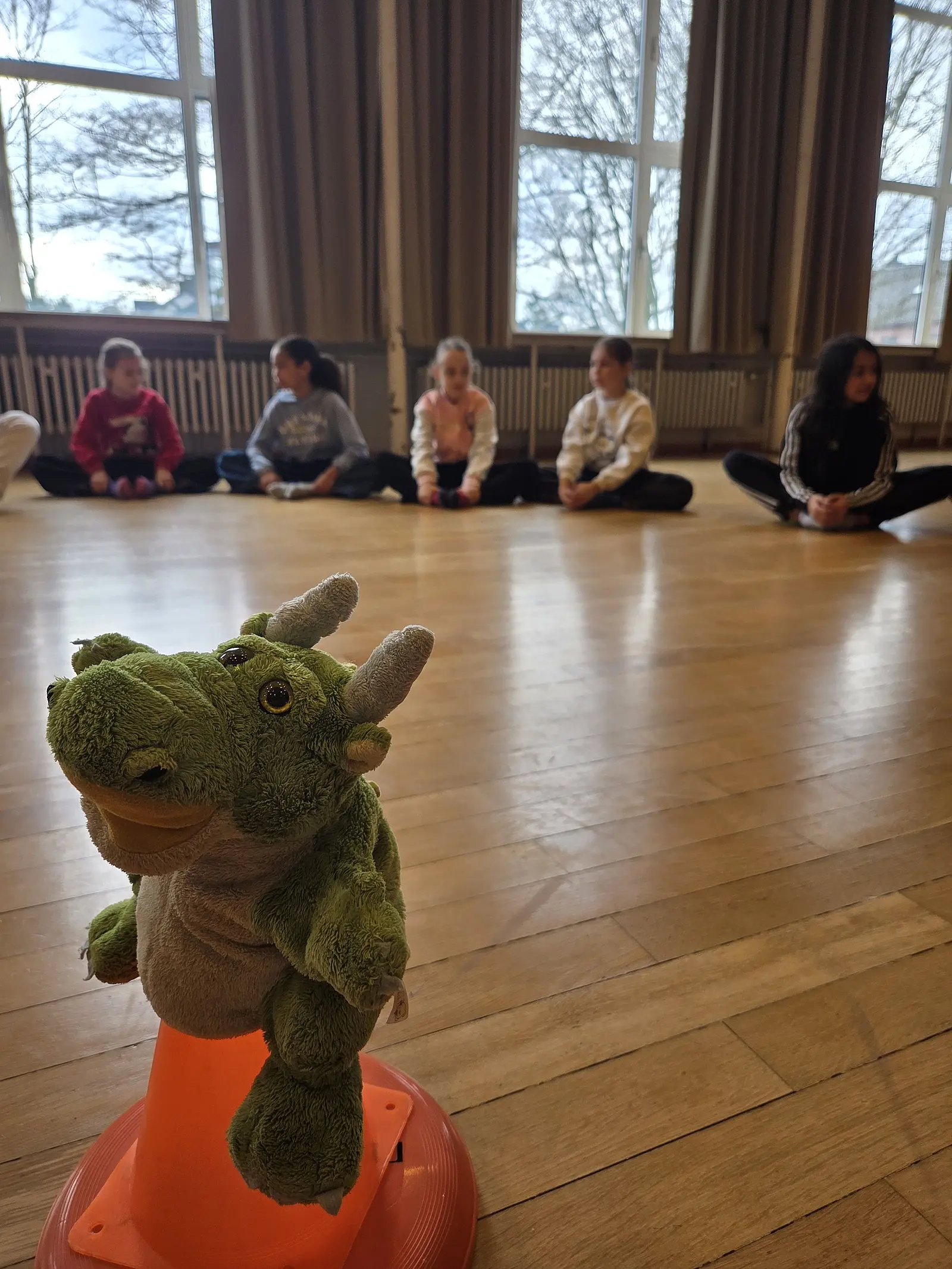
Nonviolent Learning empowers children and adolescents to communicate effectively and take action when working together in class and resolving conflicts. Engaging partner games for social learning are combined with conflict resolution training to combat exclusion, violence, and bullying.
Not only do all children participate in the project and receive hands-on instruction, but parents, teachers, and educators are also trained and thus actively involved in the process of this method.
The methods and content learned are regularly reviewed in individual classes to establish respectful interactions and to prevent new conflicts from arising whenever possible.