We are a cultural school – a school with a cultural focus
What does that mean?
For us, cultural education is the foundation of holistic learning and the key to participation in our democratic and diverse society.
Being curious and having fun exploring oneself and engaging with others is essential to this.
In this sense, we see ourselves as a vibrant place of learning and culture, where cultural education is an integral part of everyday school life.
Ensuring cultural participation
Our goal is for all students at our school, from grades 1–4, to have access to
- art,
- music,
- theater,
- literature, and
- dance
are taught.
This takes place three times per school year as part of mandatory school events, both at off-campus learning locations and through invitations to our school campus.
Additional events are possible on an individual basis in classes, clubs, and other groups.
We consider trying out different approaches and artistic-cultural practices to be a natural part of teaching and learning at our school.
Cultural methods and offerings are therefore integrated into both our classroom instruction and our open all-day program.
Other goals
In accordance with the North Rhine-Westphalia School Act (§ 2 SchulG), we therefore promote
- the “development of personality,
- the ability to participate in social life, and
- respect for cultural values.”
| Holistic Learning | Promotion of cognitive, creative, emotional, and social competencies. |
| Aesthetic experience | Children discover, create, and reflect on forms of cultural expression. |
| Participation | Students actively participate in shaping cultural projects. |
| Inclusion | Cultural education is accessible to all children—regardless of background, gender, family income, faith, language, or any disability. |
| Cooperation | Collaboration with extracurricular cultural partners
|
Certification
To ensure that students can experience high-quality, sustainable cultural education, the school’s teaching staff regularly participates in professional development.
We document and evaluate cultural projects.
Student feedback and regular reflections on cultural learning processes are important to us.
We are participating in the certification process to become a school with a cultural profile through the Cultural Education Office of North Rhine-Westphalia.
We would like to thank the office for its professional expertise and guidance.
The KGS Hassels Culture Team with Stina Lisa Freund (Culture Officer)
Study Groups
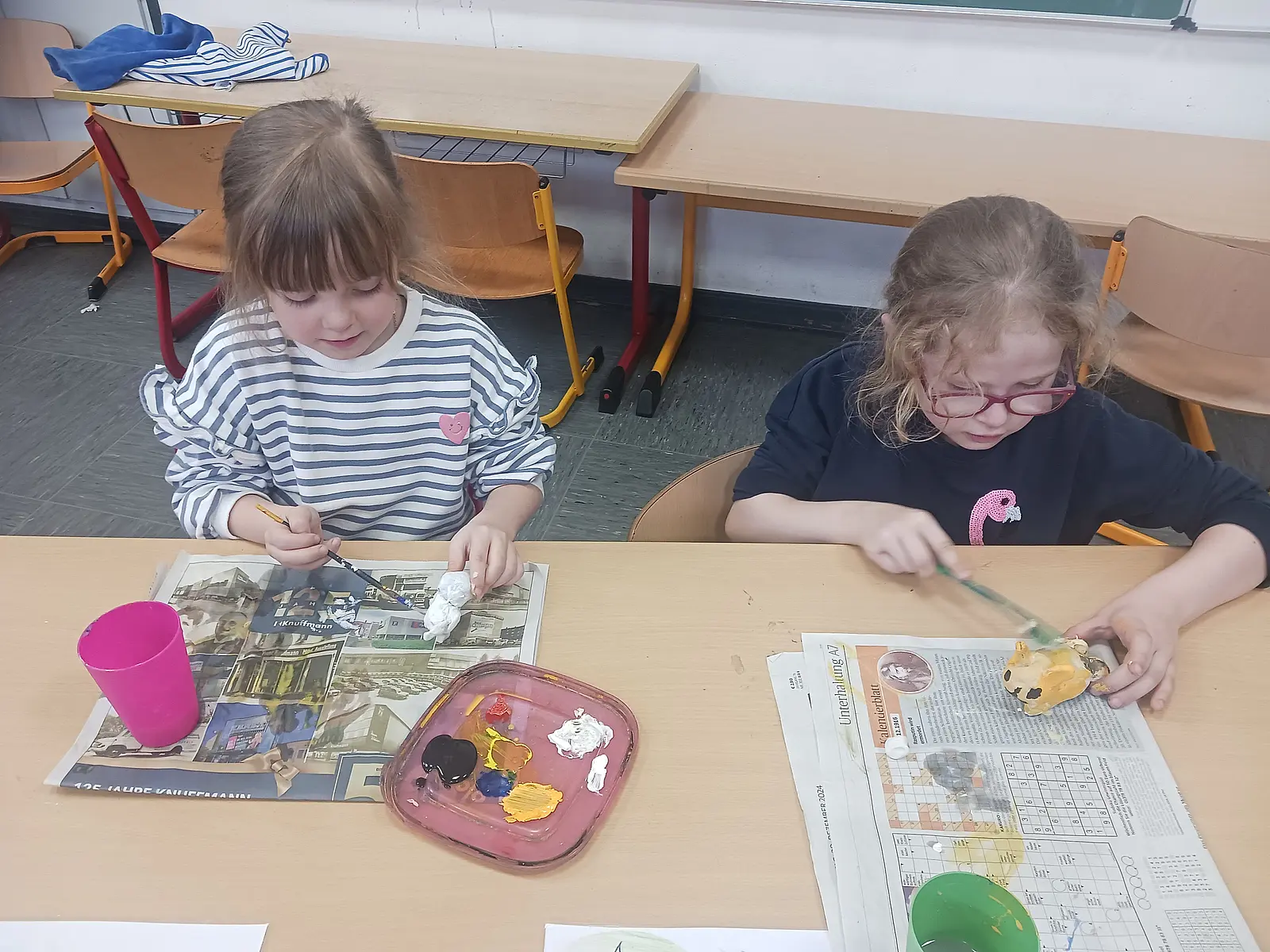
Art Club
In the Art Club, students explore different forms of expression and materials. Whether through painting, collage, or sculptural design—this is a space for their own ideas and artistic experimentation. The results are regularly showcased and highlight the diversity of our creative community.

School newspaper
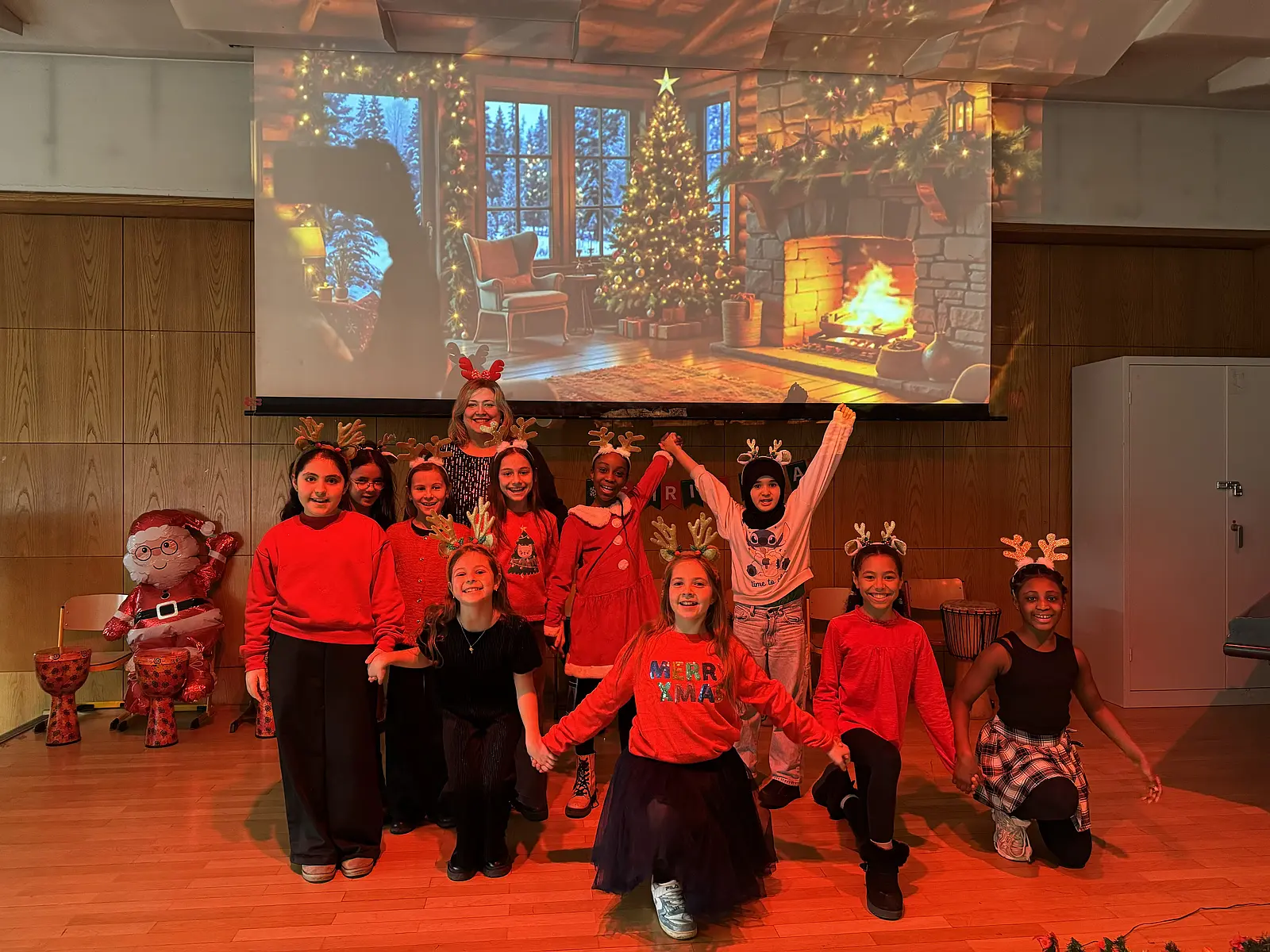
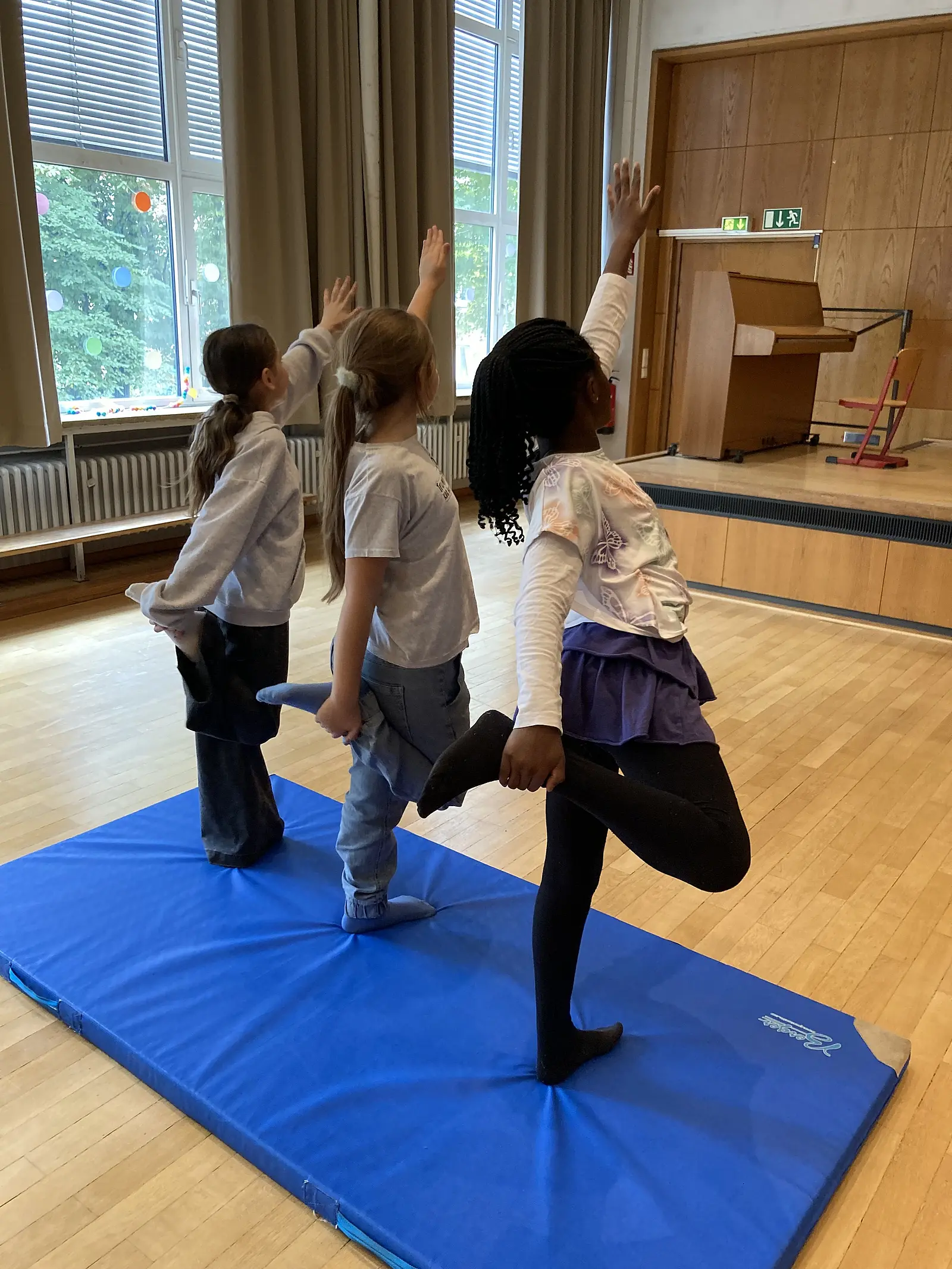
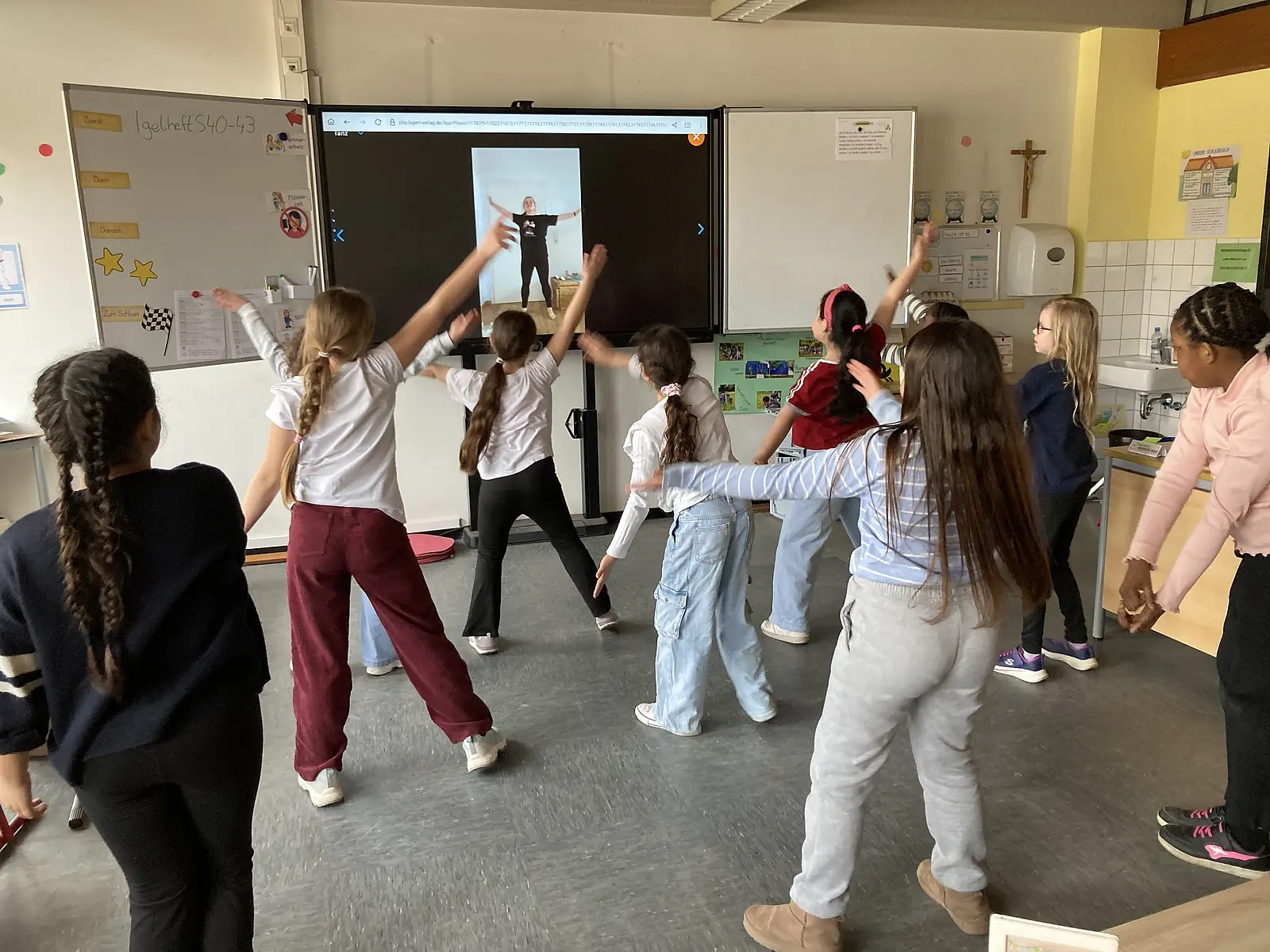
Dance Club
In the dance club, students explore different ways of expressing themselves through music. The dance club performs regularly, for example at our Advent afternoon, the Hassel Family Festival, and our school festivals.
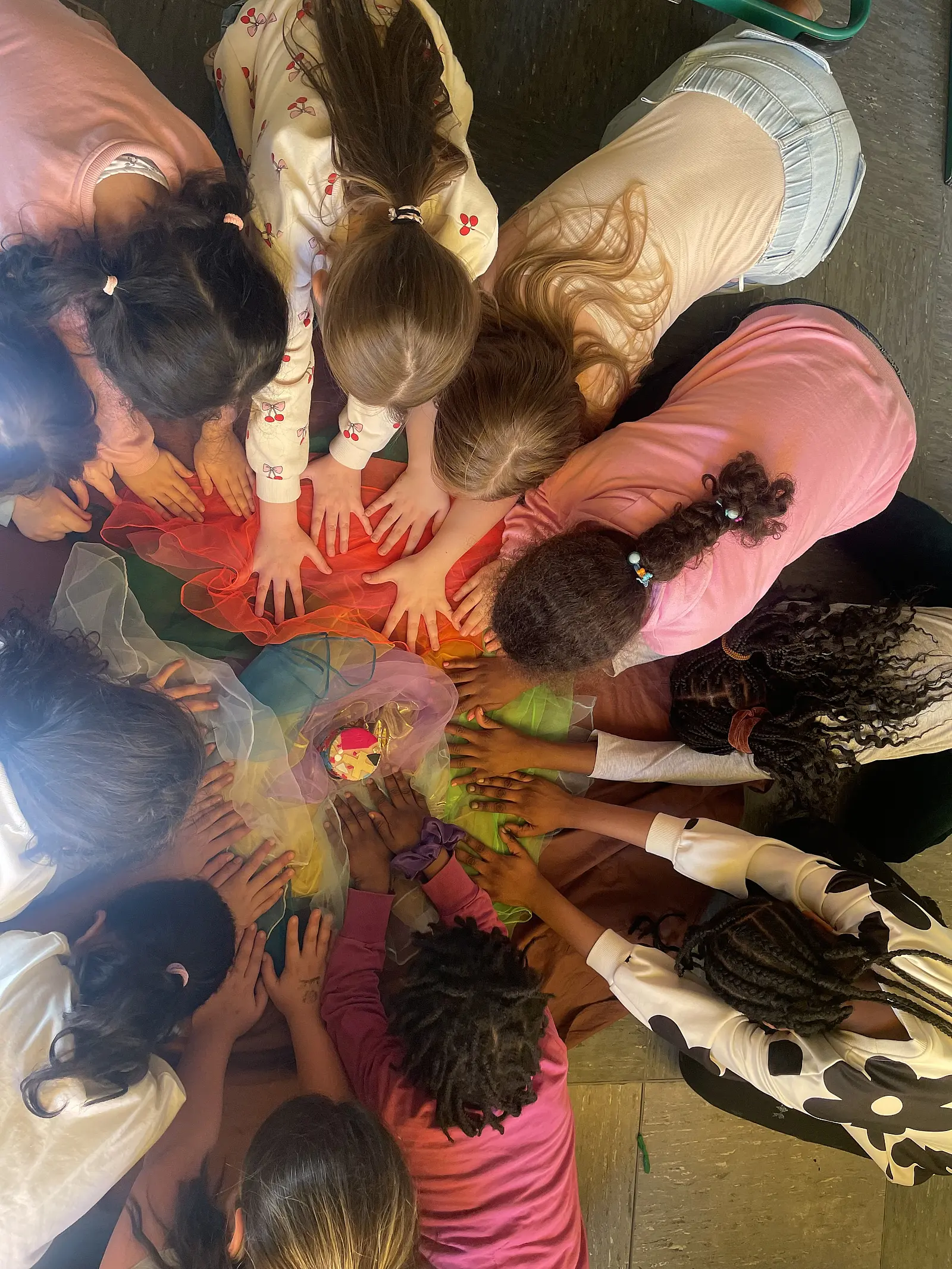
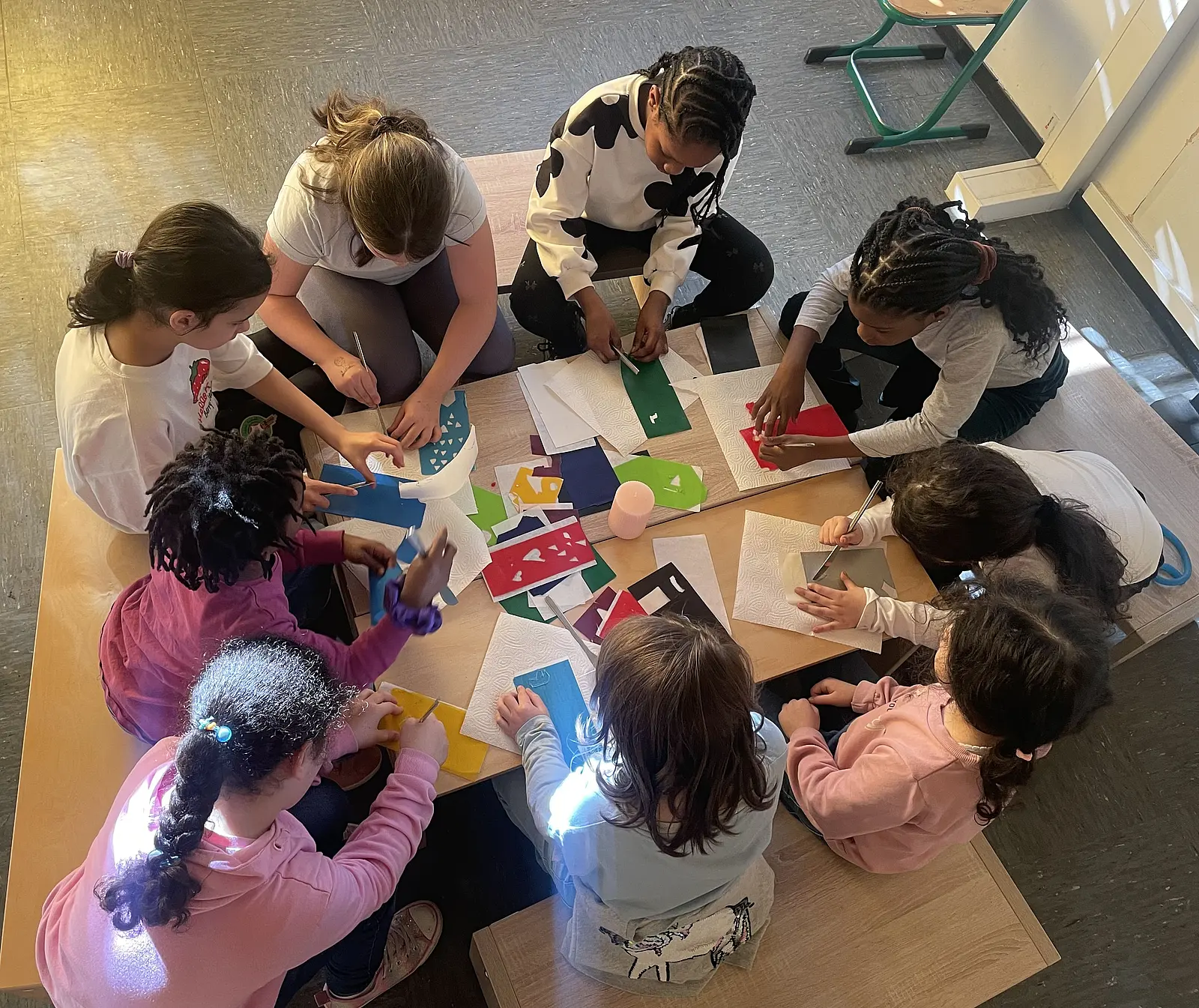
Fairy Tale Club
In the Fairy Tale Club, students learn about different fairy tales and engage with the material in a variety of ways. Here, they read, bake, do crafts, and perform.
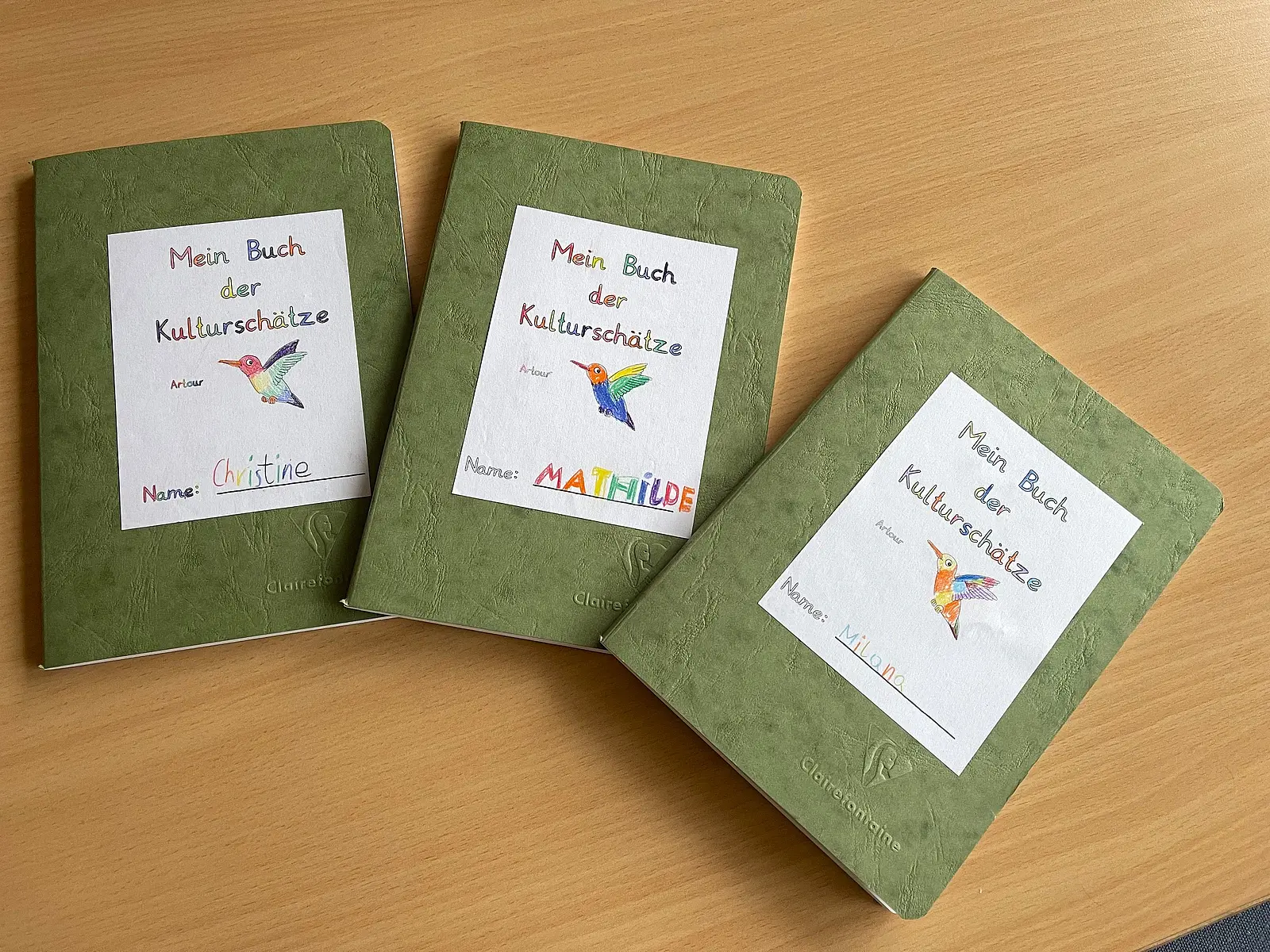
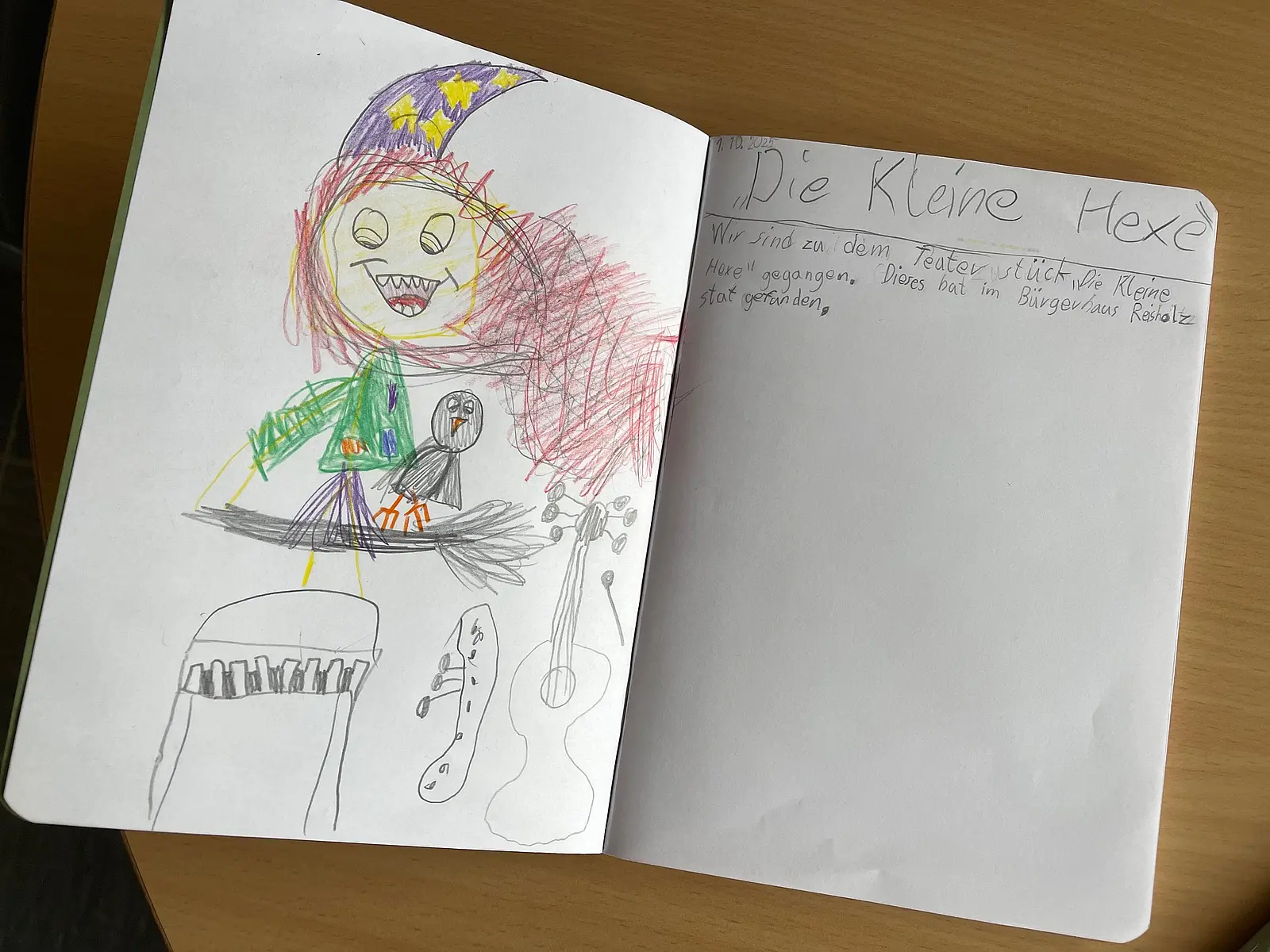
Our school mascot, ARTOUR
Partnerships
We maintain close partnerships with our external partners—such as museums, cultural institutions, and organizations. This collaboration enriches our experience, creates new learning opportunities, and connects school-based learning with external learning environments.
Examples of our partners and learning venues we regularly visit
- Benrath Palace Museum
- Kunstpalast
- Tanzhaus NRW
- Düsseldorf Schauspielhaus
- Tonhalle Düsseldorf
Contests
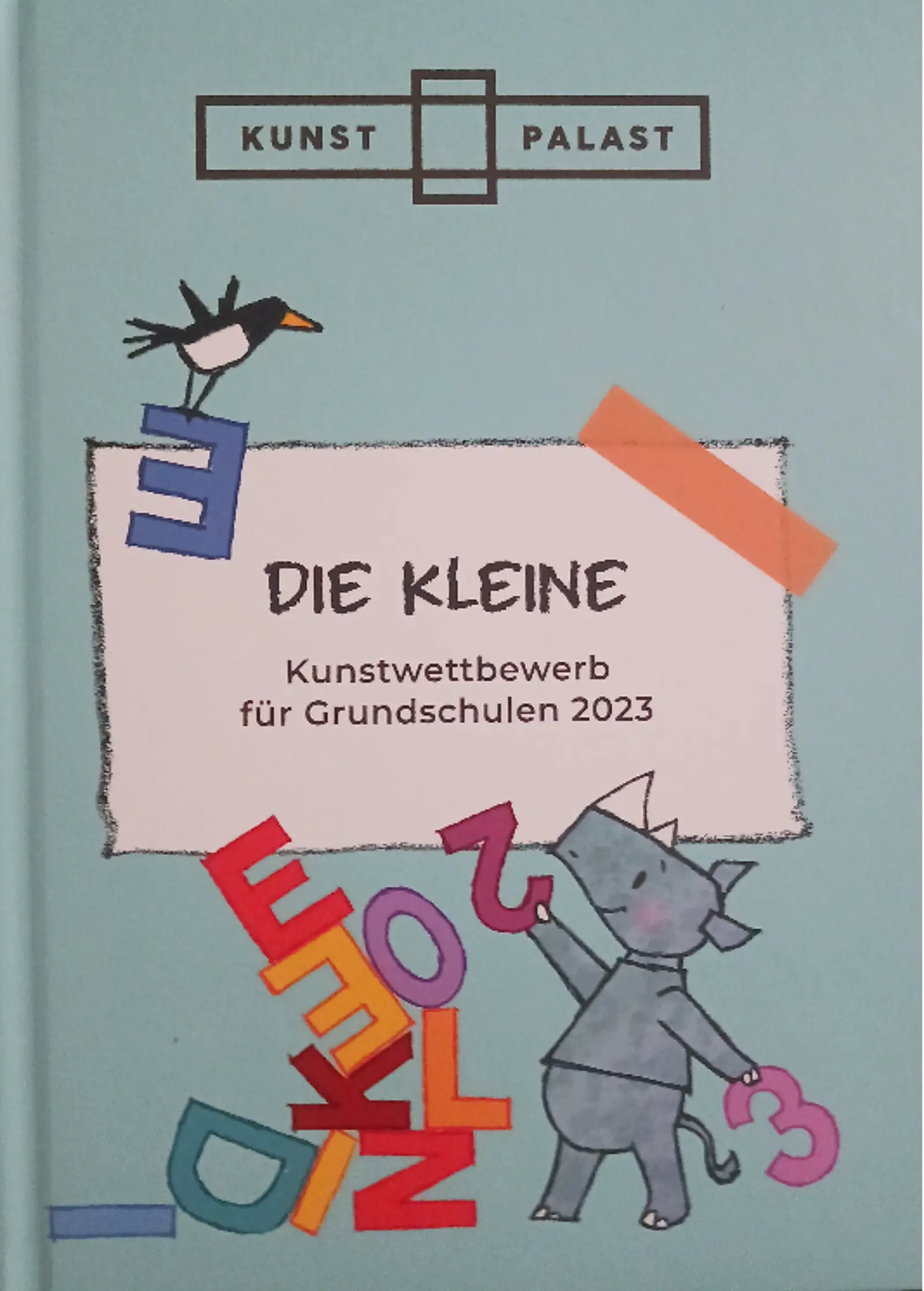
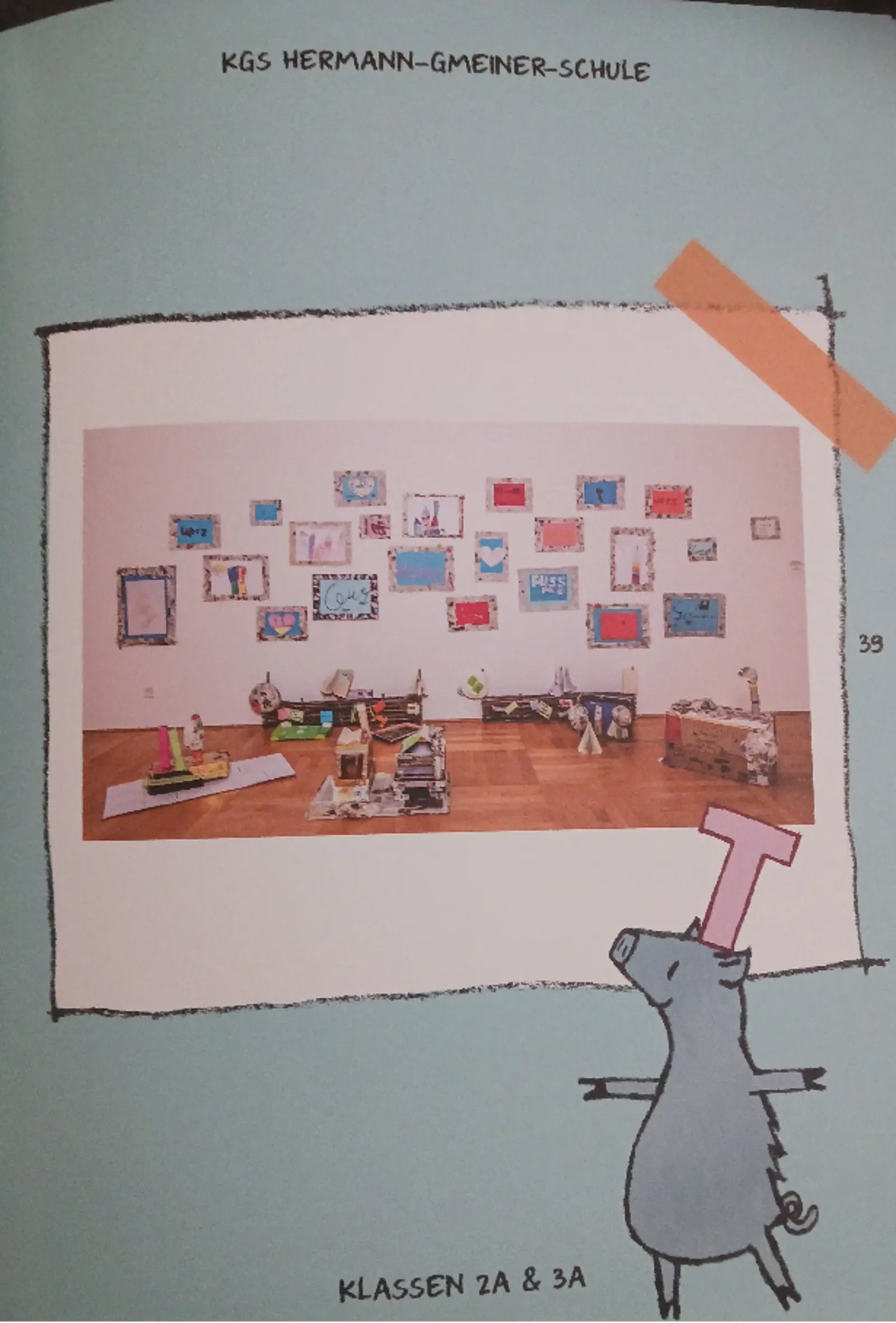
Participating in school and regional competitions motivates our students to apply their knowledge, skills, and creativity. We regularly take part in the “Die Kleine” school competition organized by the Kunstpalast Düsseldorf.
In 2023, we won the jury prize out of over 60 participating schools.
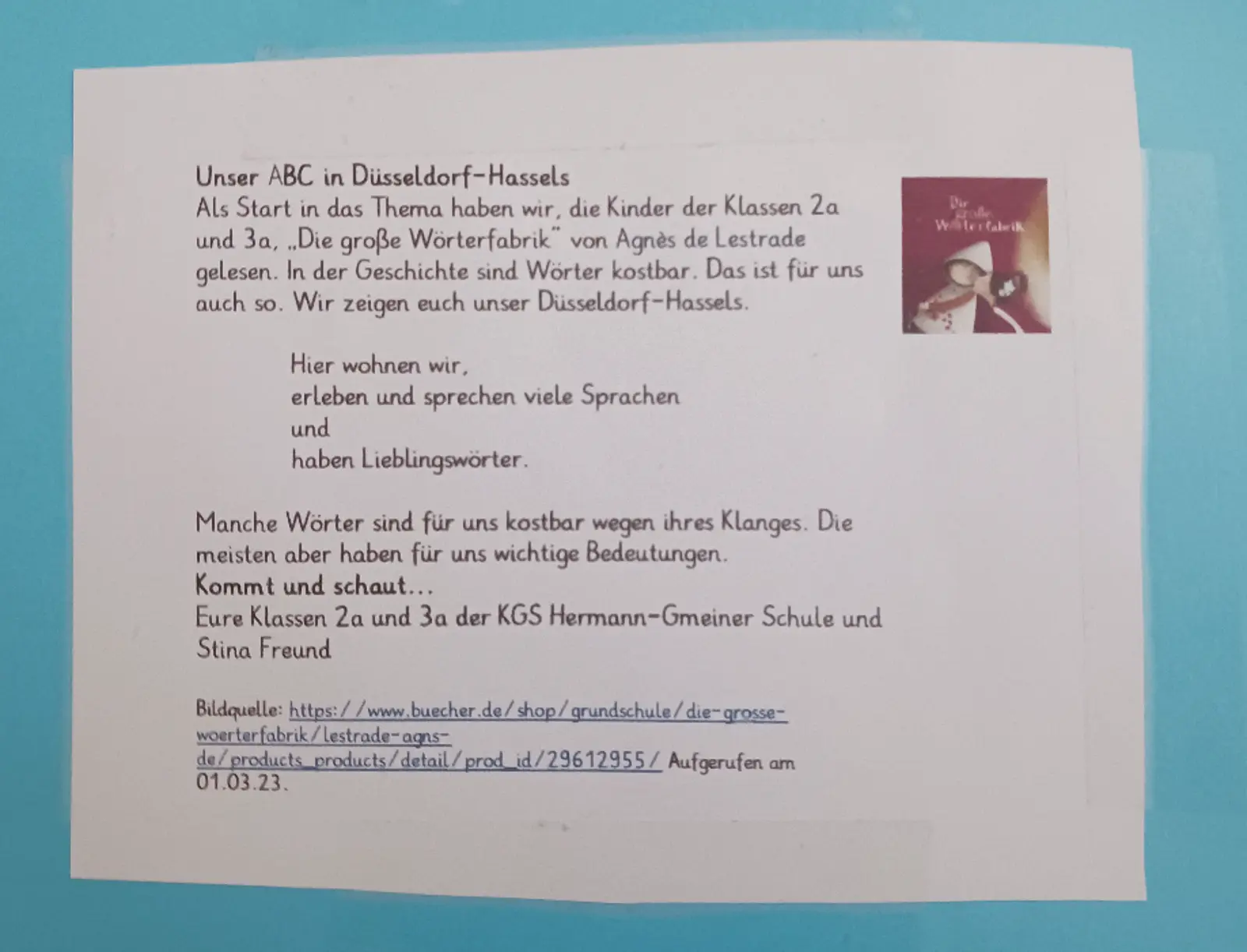
Presentations
Presentations are an integral part of our learning process. Students learn to present their findings in a structured and clear manner—whether in person or digitally. These experiences help build communication skills, self-confidence, and a love of learning together.